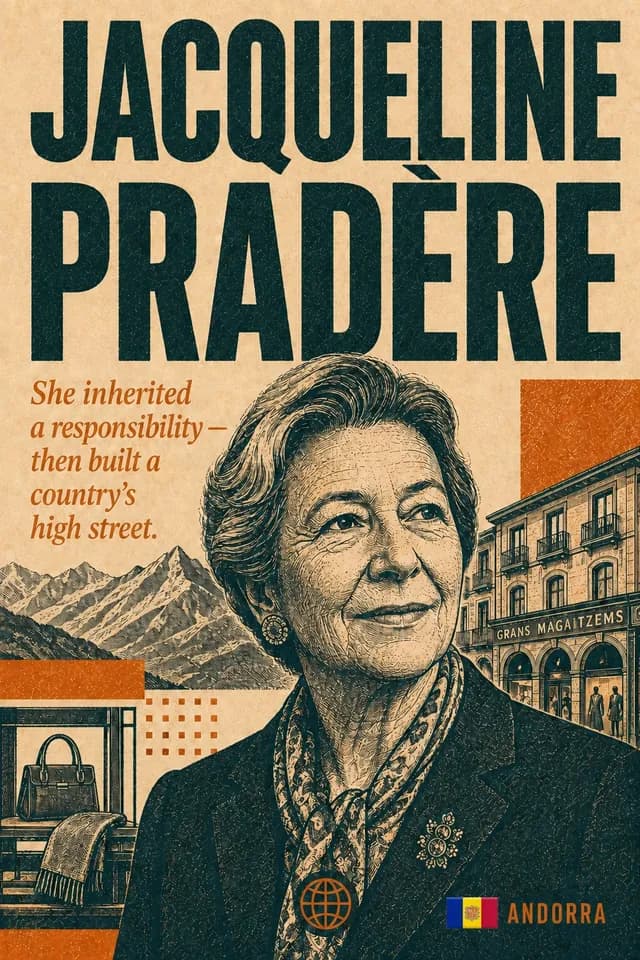
Jacqueline Pradère
She inherited a responsibility – then built a country's high street.
Feed your brain, trigger your mind.
Every story free. All four languages, three of them still in language check. No card, ever.
Already have an account? Open GloMilBil
What this is
Where they started. What stopped them. What they did instead. Six sections, the facts that matter, the milestones in order, the ten traits that carried them, and the lessons underneath.
Written at more than one reading level. A teenager and an adult can read the same life on the same evening and both get the real story, not a watered down version.
What you get
01
In your language, at your level.
Every story at your reading level, in your language, side by side with the English. Download it and read with no signal.
02
Three ways, not one.
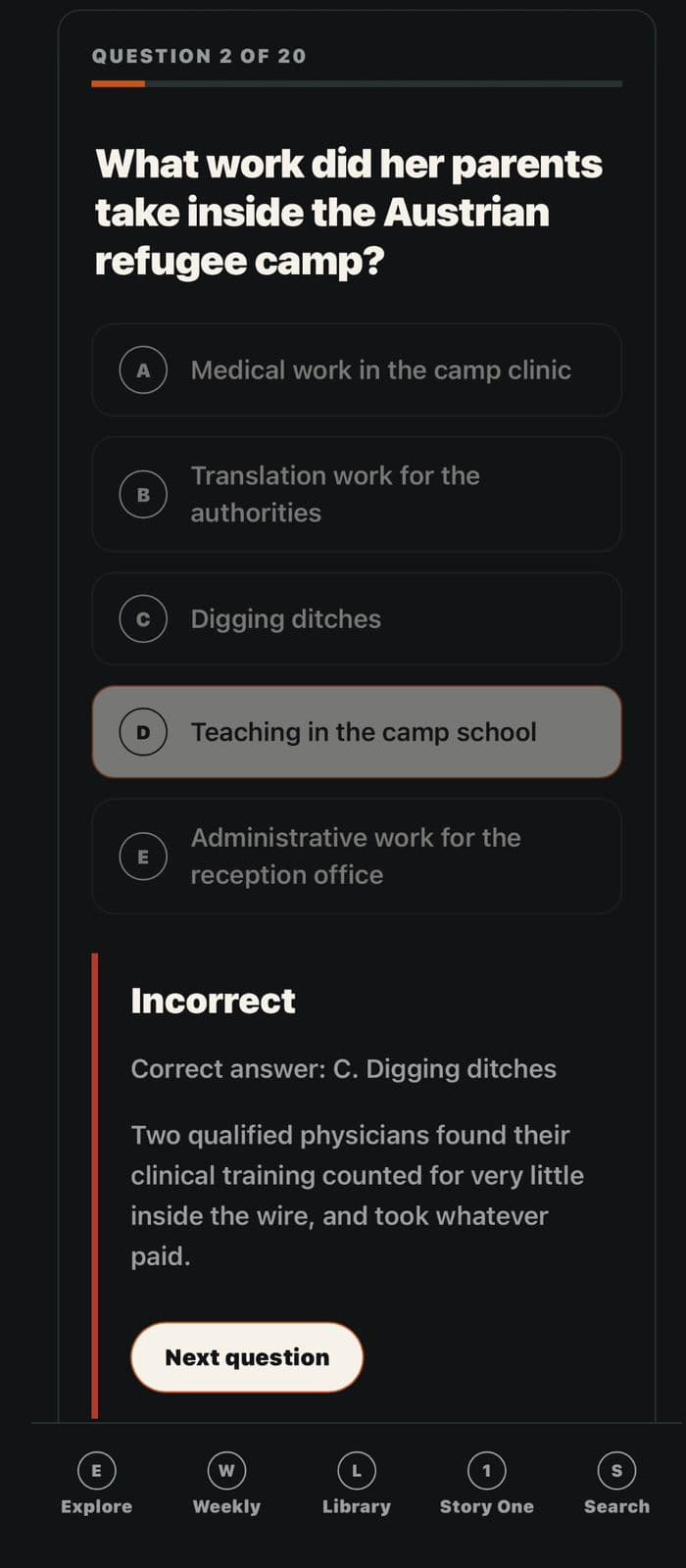
True or false, multiple choice, and questions you answer in your own words.
one
language live
English. Afrikaans, isiZulu and isiXhosa are in language check.
03
You are shown the exact line you missed.
This is the part nobody else does. When you write an answer, it is marked, and you are shown the sentence in the story you missed. Not a score. The sentence.
He printed the first shirts at night, in a garage with one screen and a squeegee. The ink had to dry between colours, so a run of fifty took him until morning. He sold them from the boot of a car outside the stadium, and the second batch was gone by noon. The money went back into screens, because what he was short of was not ideas but capacity.
04
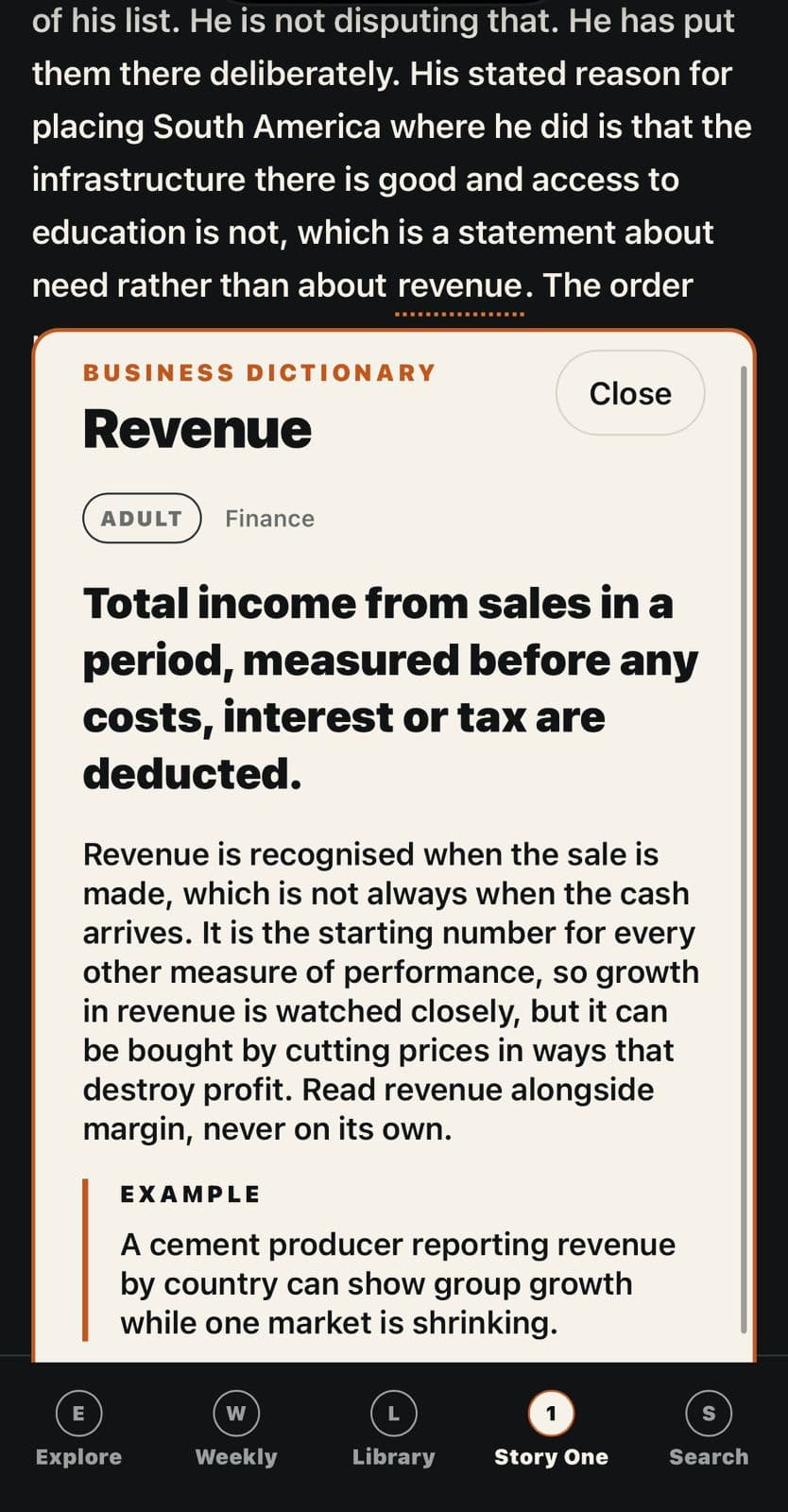
Any word you do not know, explained where you are.
Highlight a word inside a story and it explains itself at your reading level, on the page you are already on. You do not leave the story to find out what a word means.
He printed the first shirts at night, in a garage with one screen and a . The ink had to dry between colours, so a of fifty took him until morning. He sold them from the boot of a car outside the stadium, and the second was gone by noon. The money went back into screens, because what he was short of was not ideas but .
Tap any marked word.
05
Ten traits, tracked across every story.
Ten traits tracked across every story you finish, so the thing you are actually building becomes visible over months instead of minutes.
Why it exists
A friend of mine had his life story written properly. It cost more than most families will ever hold at one time, and almost nobody who needed to read it ever will. But the essence of it, the part that changes how you think, can reach anybody.
In the apartheid years I printed t-shirts by hand at night. One of them read The World Against Apartheid, and I made the O of WORLD into the globe. That letter is still here, in the middle of our name, because the idea has not changed. It starts in South Africa, then the rest of Africa, and then it goes out.
Jerome Keshwar, founder
Who it is for
A learner who has never seen it done. A teenager deciding what to do next. An adult already working who wants the thinking, not the theory. A parent who would rather their child read this than scroll.
Accounts for anyone under eighteen are held by an adult.
The stories
More on the way.
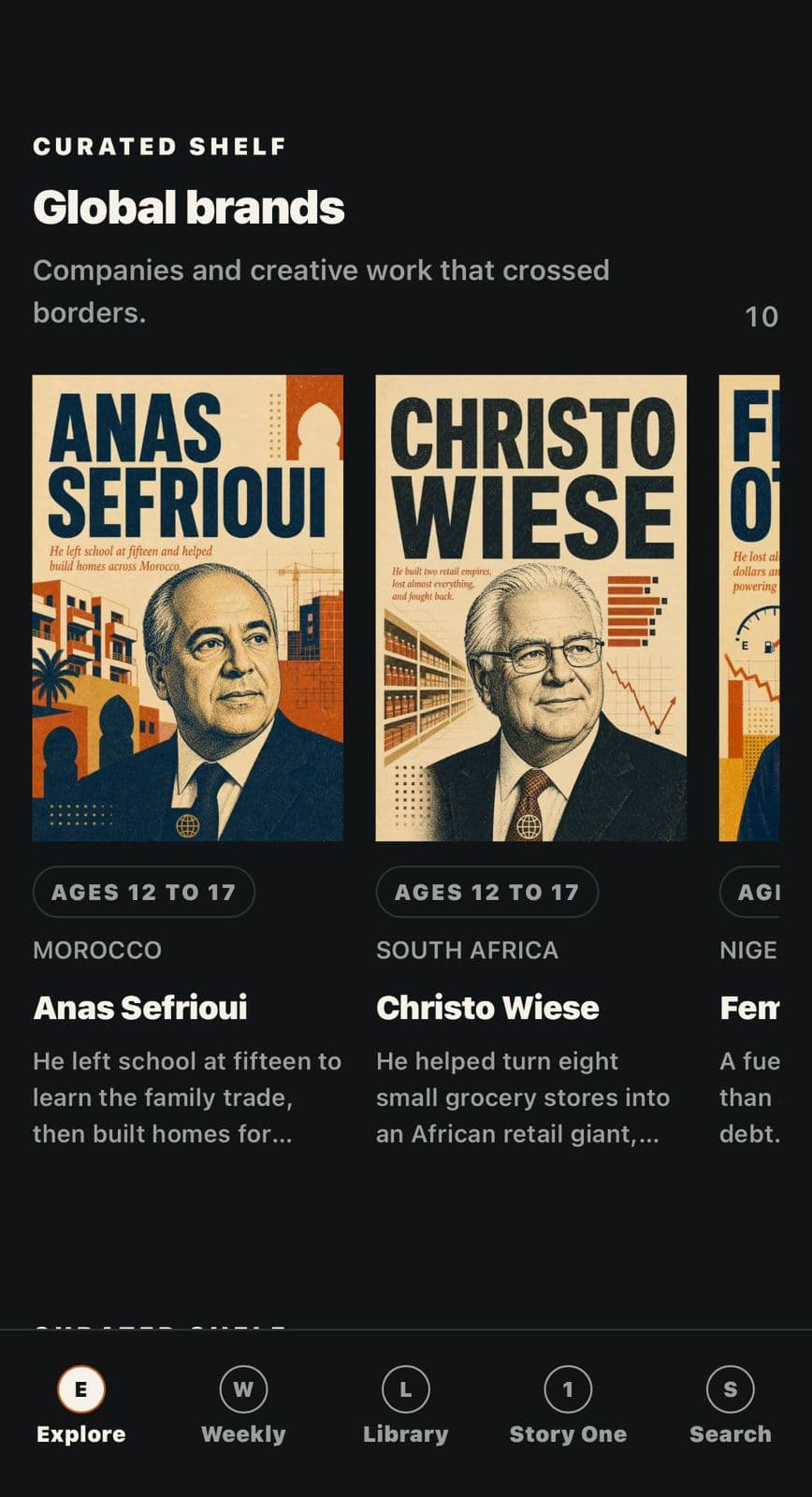
Pick your starting point
Filter by industry, and by what they had when they began. No capital. Family funded. Inherited. Unknown start.
Jacqueline Pradère
She inherited a responsibility – then built a country's high street.

Isabel dos Santos
She built a continental empire – then watched it unravel.
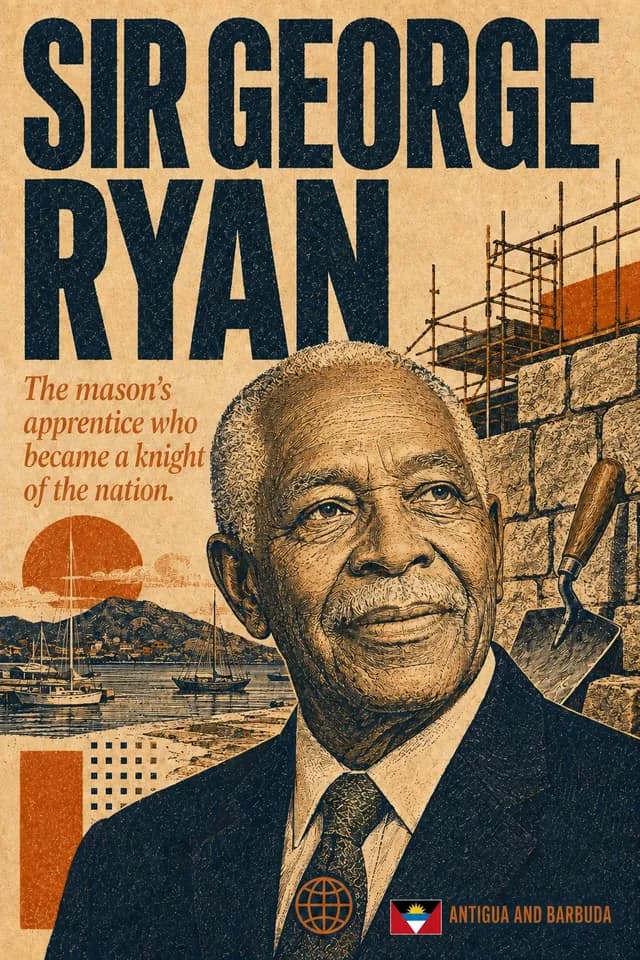
Sir George Ryan
The mason's apprentice who became a knight of the nation.

Mübariz Mansimov
The sailor who built a fleet – and what became of it.
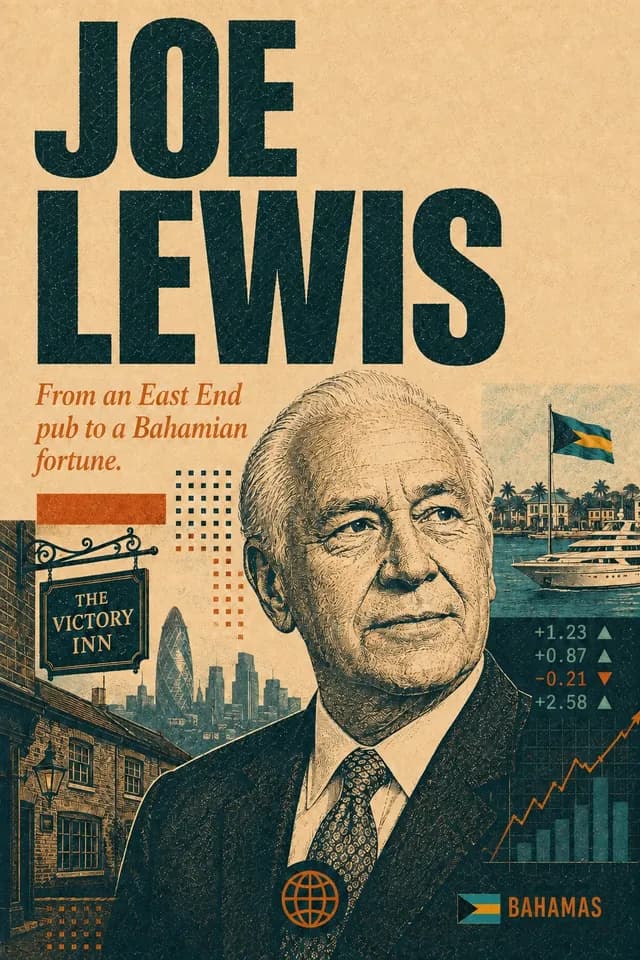
Joe Lewis
From an East End pub to a Bahamian fortune.
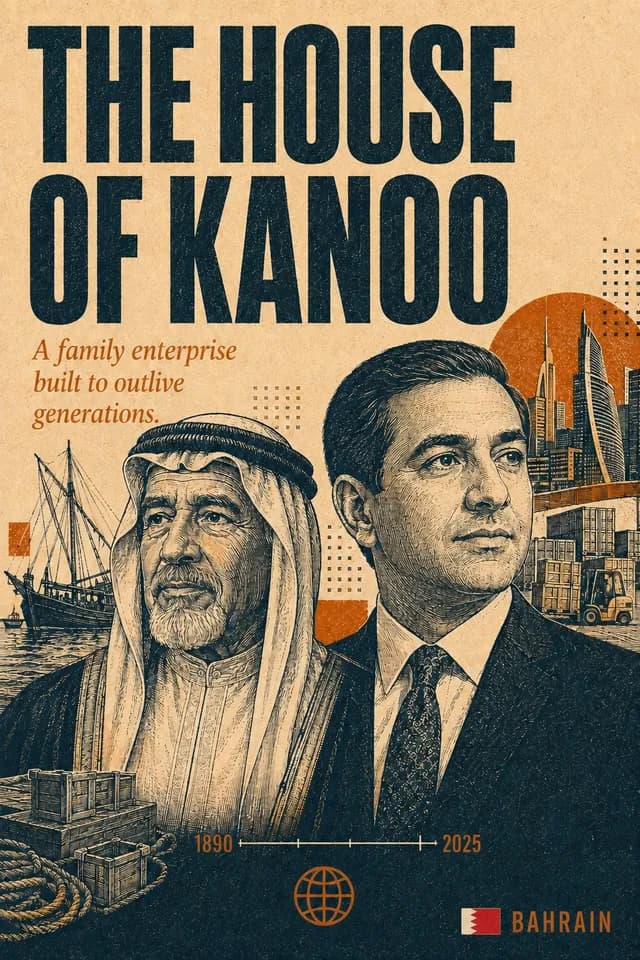
The House of Kanoo
A family enterprise built to outlive generations.
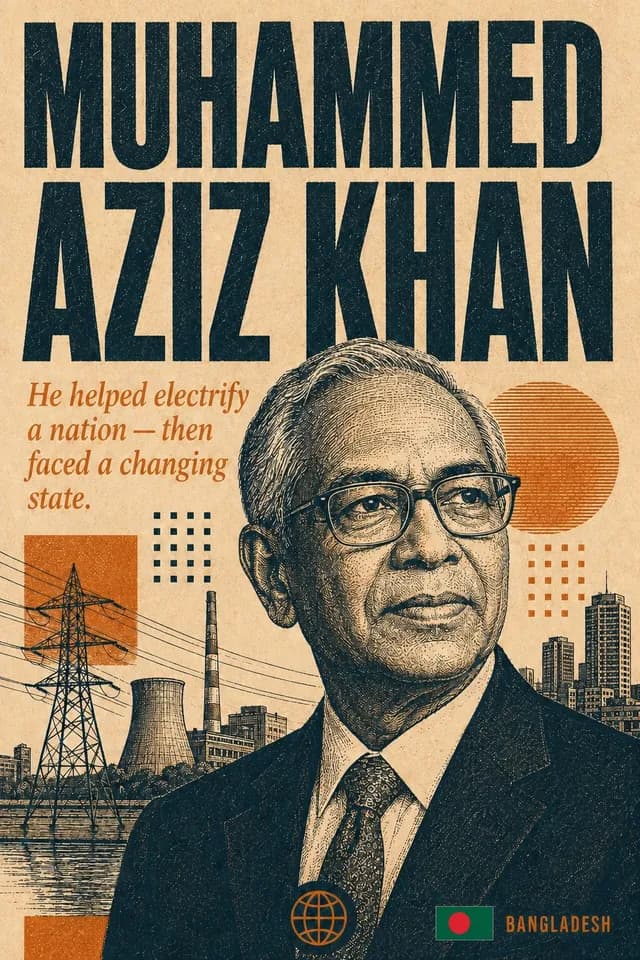
Muhammed Aziz Khan
He helped electrify a nation – then faced a changing state.
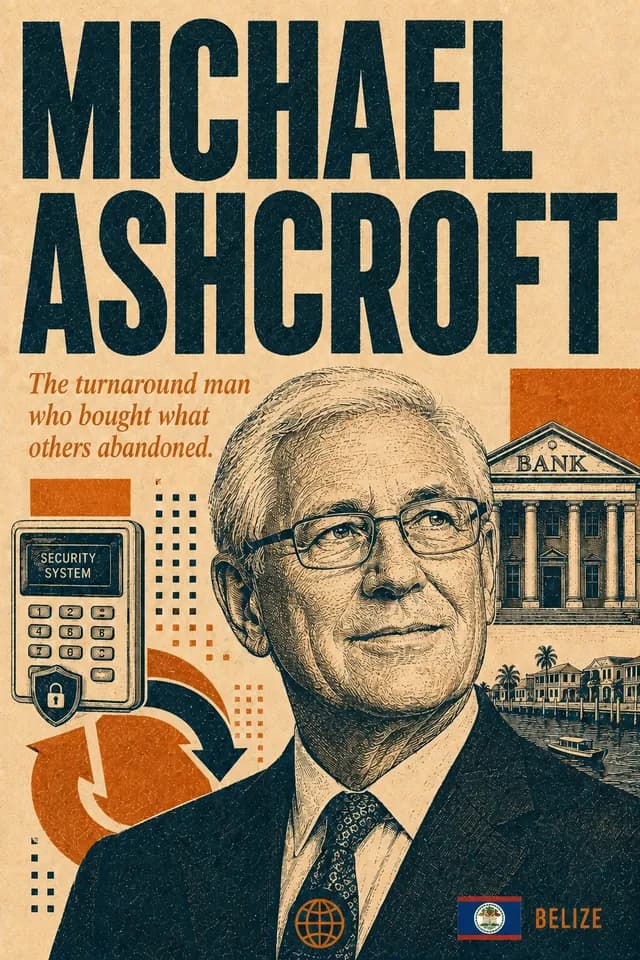
Michael Ashcroft
The turnaround man who bought what others abandoned.
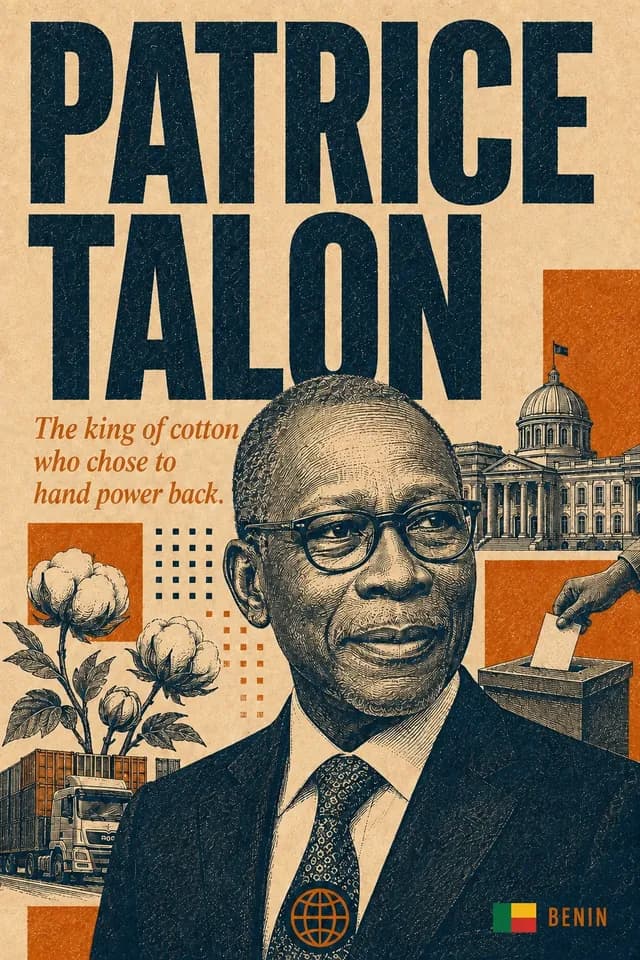
Patrice Talon
The king of cotton who chose to hand power back.

Marcelo Claure
He sold phones from a car – then built across continents.
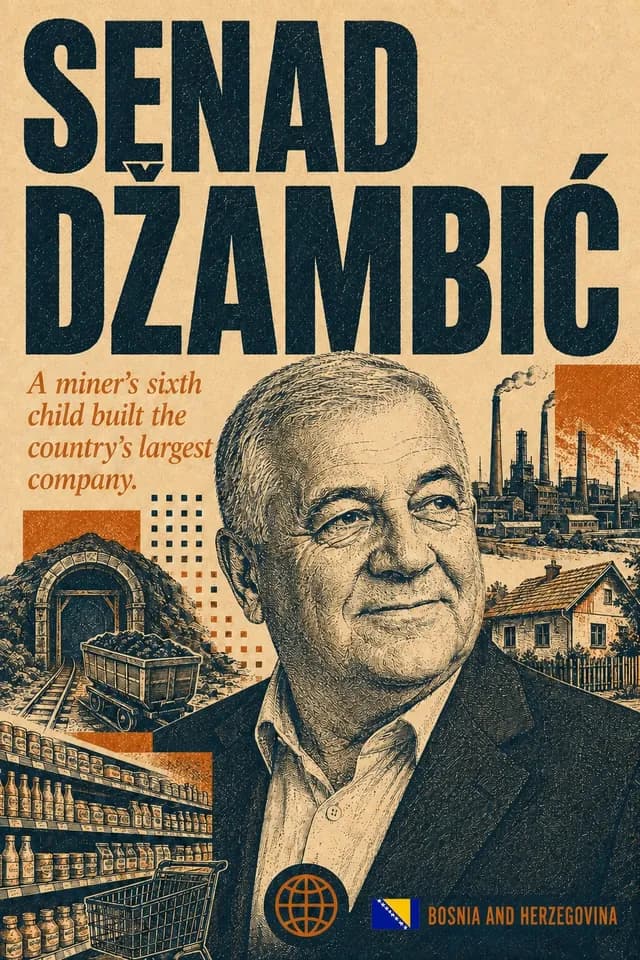
Senad Džambić
A miner's sixth child built the country's largest company.
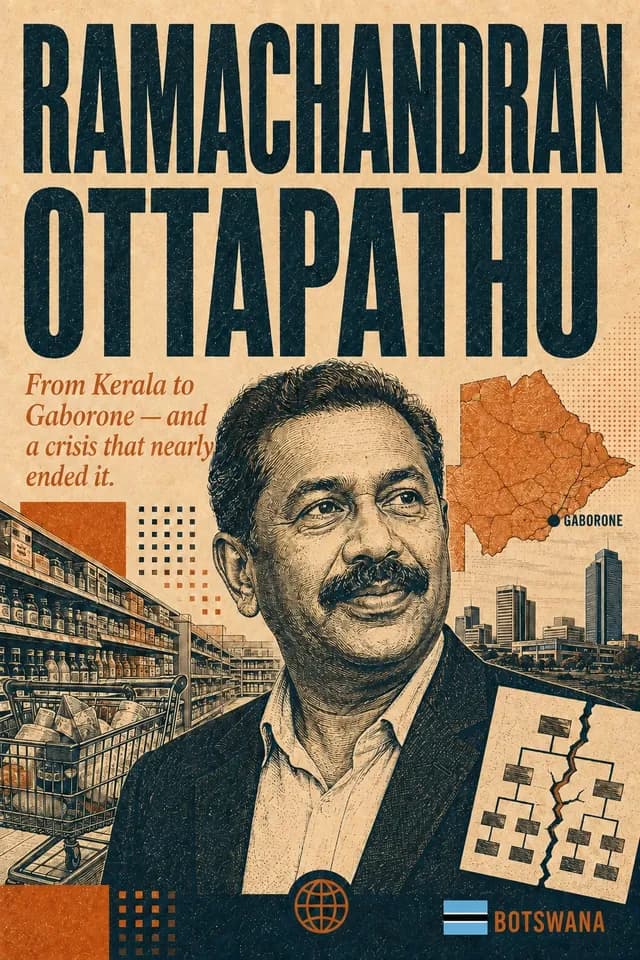
Ramachandran Ottapathu
From Kerala to Gaborone – and a crisis that nearly ended it.
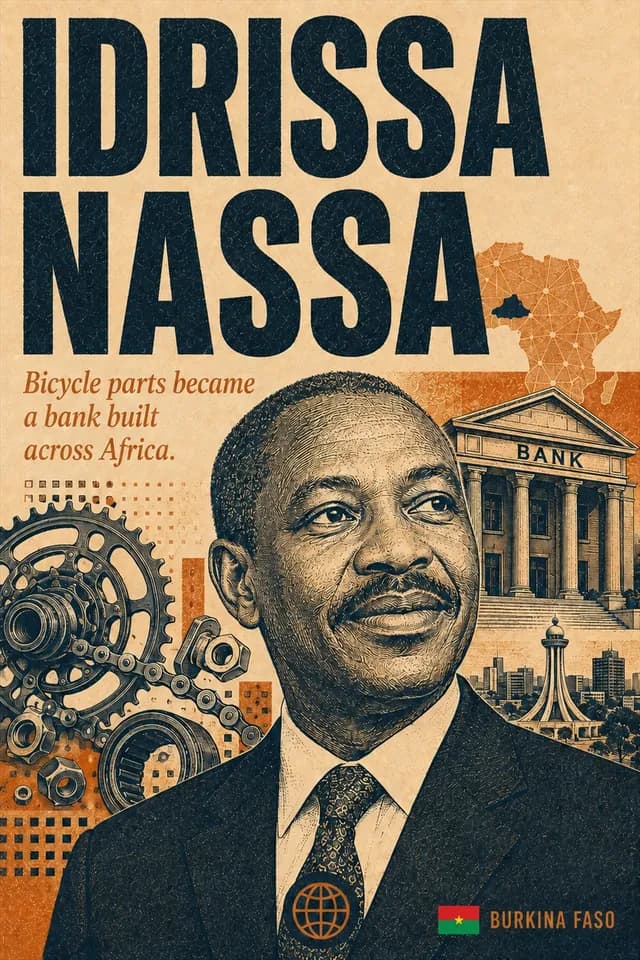
Idrissa Nassa
Bicycle parts became a bank built across Africa.
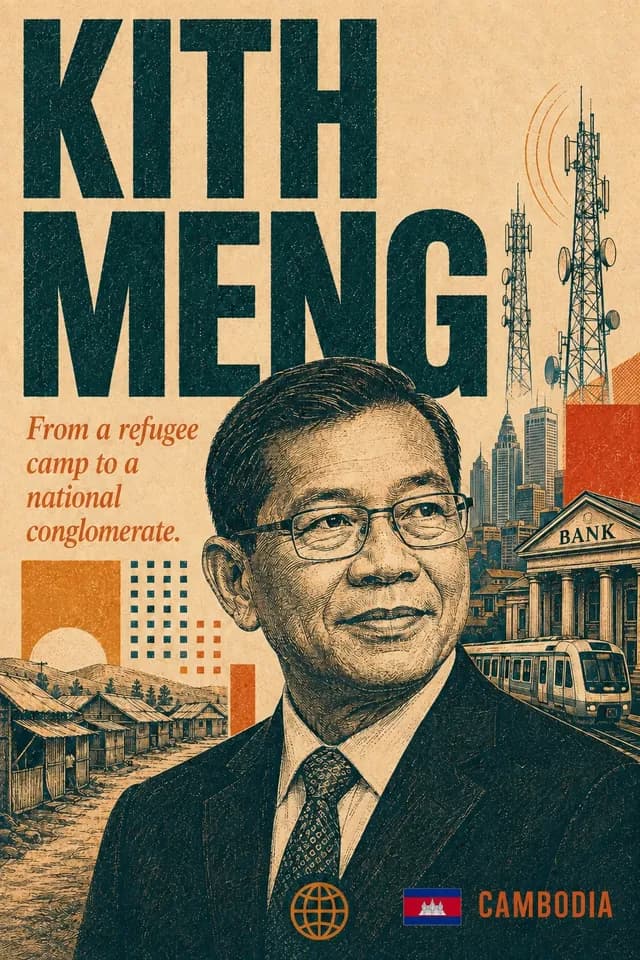
Kith Meng
From a refugee camp to a national conglomerate.
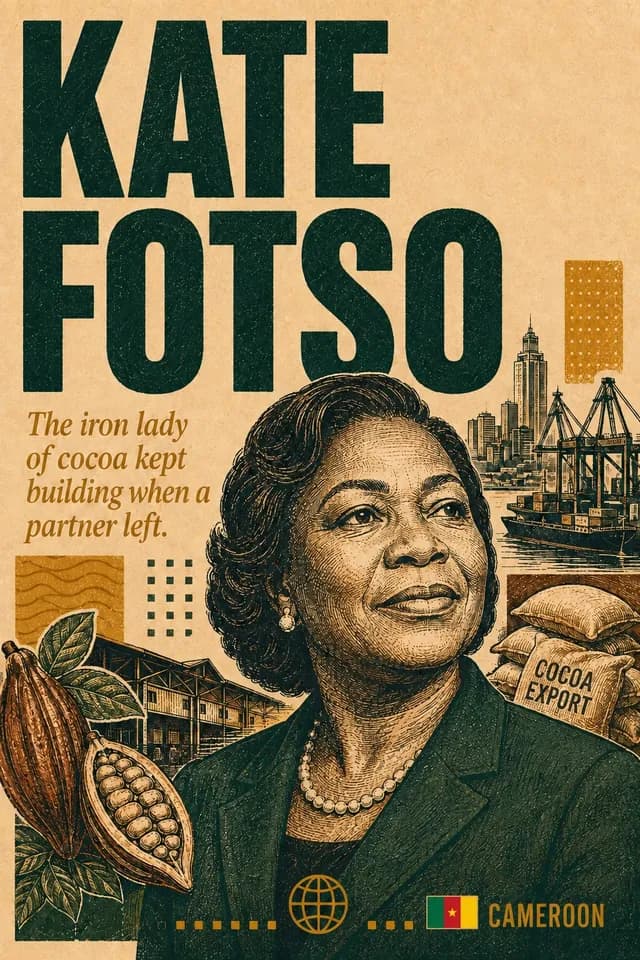
Kate Fotso
The iron lady of cocoa kept building when a partner left.
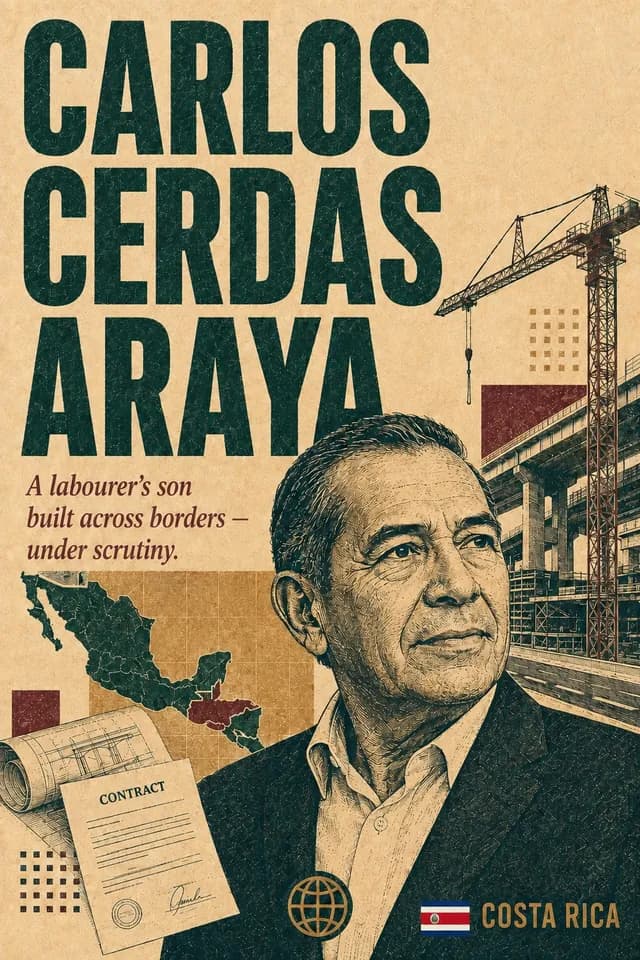
Carlos Cerdas Araya
A labourer's son built across borders – under scrutiny.
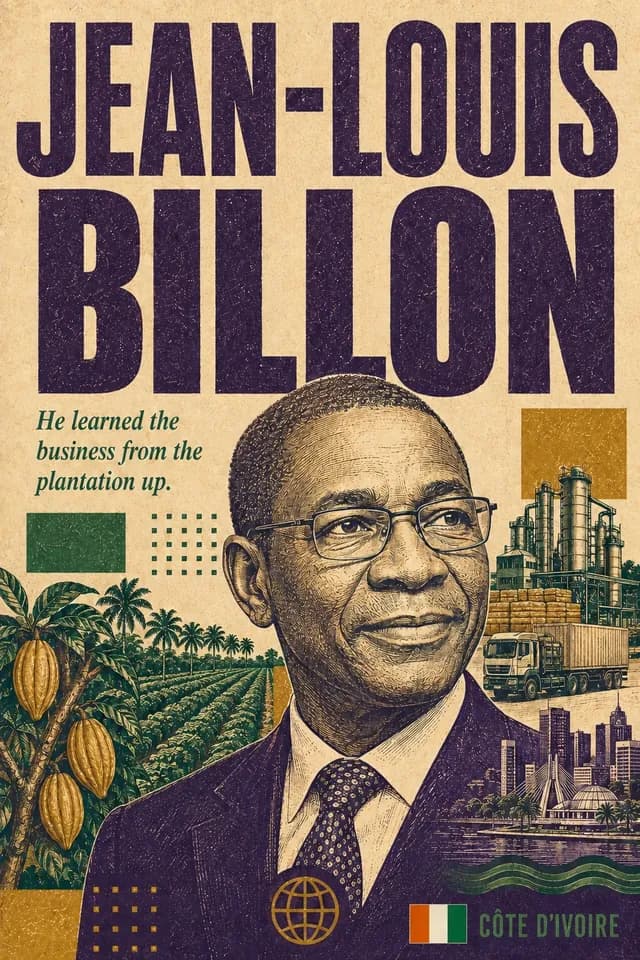
Jean-Louis Billon
He learned the business from the plantation up.
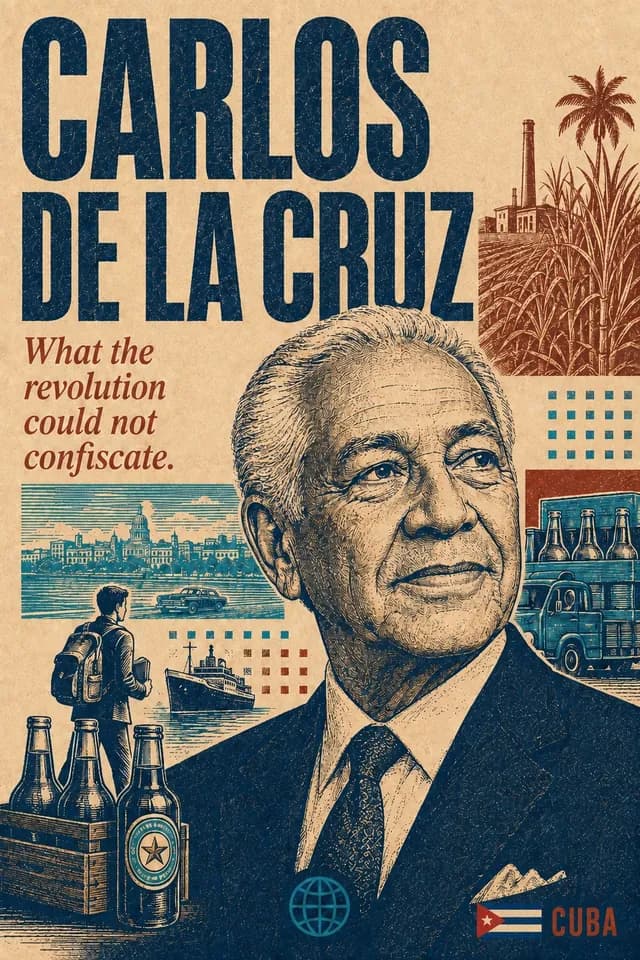
Carlos de la Cruz
What the revolution could not confiscate.
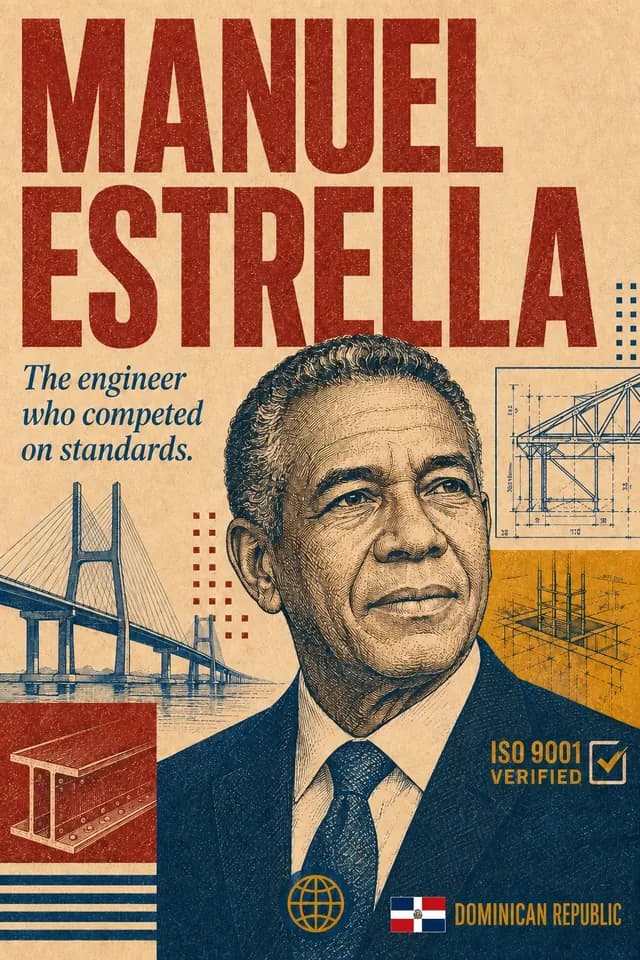
Manuel Estrella
The engineer who competed on standards.
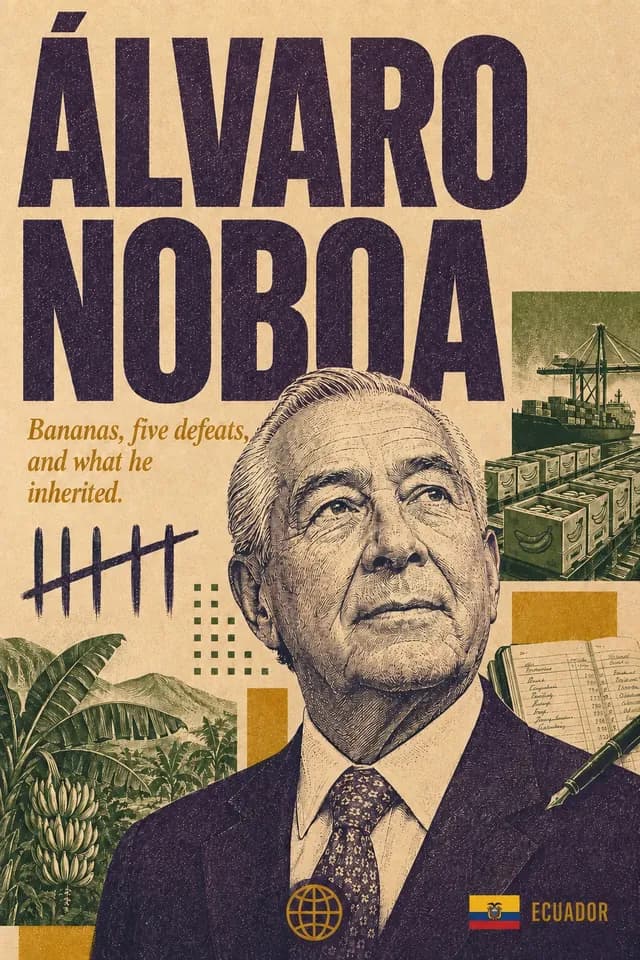
Álvaro Noboa
Bananas, five defeats, and what he inherited.
Live
English
In language check
Afrikaans, isiZulu and isiXhosa
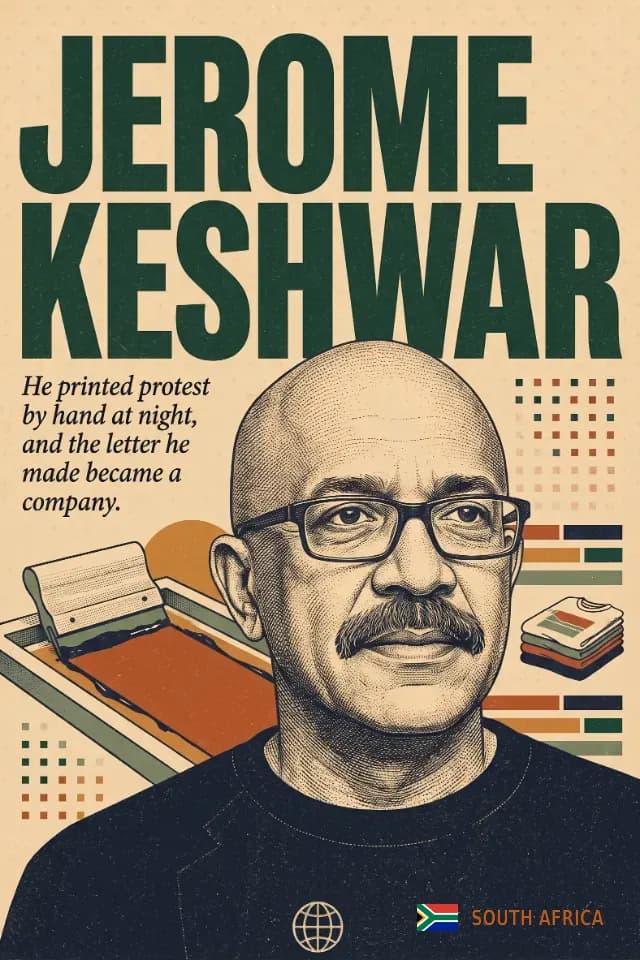
The one you can open
Jerome’s own story, the whole thing, free and without an account.
The numbers
Stories live
21
Countries
21
South Africa, Andorra, Angola, Antigua and Barbuda, Azerbaijan, the Bahamas, Bahrain, Bangladesh, Belize, Benin, Bolivia, Bosnia and Herzegovina, Botswana, Burkina Faso, Cambodia, Cameroon, Costa Rica, Côte d'Ivoire, Cuba, the Dominican Republic and Ecuador.
Languages
4
one live today
three in language check
How you are tested
Questions
Bronze, free.
Every story, all three reading levels, every language, the business dictionary, reading offline, and the multiple choice and true or false quizzes.
Silver, R49 a month.
Written answers marked with the exact line you missed, 25 a month. A certificate for every story finished. Progress kept across devices.
Gold, R99 a month.
200 markings a month. Every story read aloud in every language. Learning to speak the language from the stories. 45 minutes of live voice practice. What you keep getting wrong, tracked. A reading path chosen for you. A monthly parent report. Early access. The score guarantee.
Start reading
Reading is free and needs no account. An account saves your place and your progress across stories, and you can make one whenever you want to.
Already have an account? Open GloMilBil
Buying this for a class, a department or a bursary group works differently to buying it for yourself. Seats come in blocks, they can be placed with people who are not on your payroll, and that is exactly the kind of spend the skills development side of a B-BBEE scorecard is written for. Read how it works for organisations.